


What You Need to Know About Used Volkswagen Loans
Used Volkswagen Loans in Chicago: What You Need to Know About Financing and Vehicle Recycling
By City VW Chicago, City Volkswagen of Chicago. Buying a used Volkswagen involves more than picking a model. This guide explains financing choices and how vehicle recycling fits into the picture for buyers who care about the planet. As you review Chicago loan options, know how each choice affects your budget and ownership costs. Many applicants struggle with changing rates and lender requirements. These insights will help you compare loans and learn how recycling services can add value when you sell or repair a vehicle. Before you apply, it helps to separate the one-time costs (down payment, taxes, title fees) from ongoing expenses (monthly payment, insurance, maintenance). Factoring both types into your budget prevents surprises after purchase. Also consider the vehicle's expected maintenance needs and typical repair costs for that Volkswagen model and model year; some older models need specific parts that may be more available through recycling and salvage networks than through dealers. If environmental impact matters to you, recycling and reuse options can change the total cost of ownership: selling or recycling parts at end of life, sourcing recycled parts for repairs, and choosing lenders that recognize eco-friendly practices can all influence long-term value. This guide focuses on actionable steps and practical considerations relevant to Chicago buyers and owners.
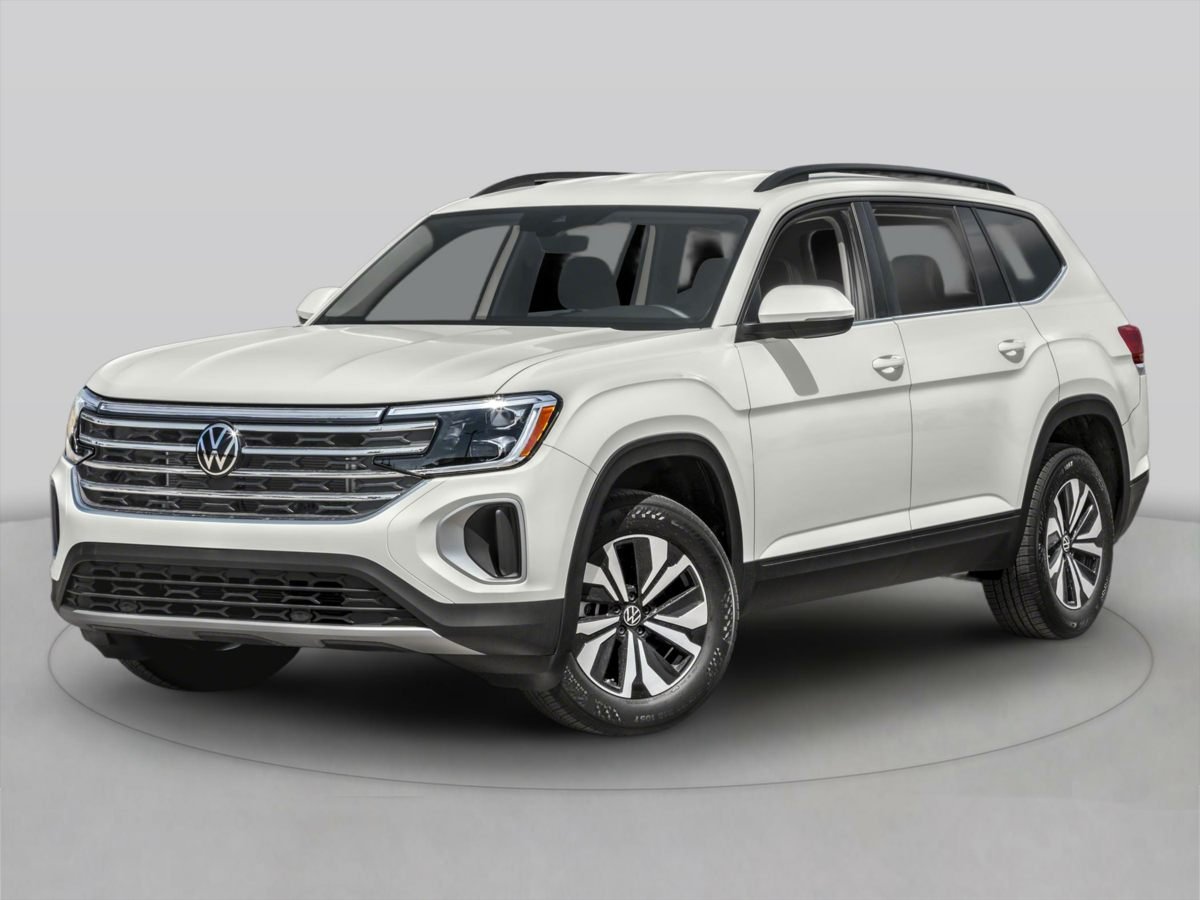
What Are the Available Used Volkswagen Loan Options in Chicago?
When financing a used Volkswagen, common routes include bank or credit union loans, dealer financing, and manufacturer-certified programs. Certified programs often have lower rates and extra protections compared with standard loans. Knowing these choices helps you pick the option that fits your budget.
Below is a comparison of common financing options for used Volkswagens.
| Loan Type | Interest Rate Range | Features |
|---|---|---|
| Traditional Loans | 4% - 12% | Flexible terms, often dependent on credit history |
| Dealer Financing | 3% - 10% | Convenience, potential for special rates through promotions |
| Certified Used Loans | 3% - 7% | Extended warranties, lower rates for certified vehicles |
These pathways give buyers options to match loan terms with financial goals. In practice, the best choice depends on your credit profile, how much you can afford up front, how long you want the loan to run, and whether you value additional protections like extended warranties or certification inspections.
When comparing lenders, look at the annual percentage rate (APR), origination fees, prepayment penalties, and whether the lender includes optional products (like extended warranties or service contracts) in the quoted terms. Even small differences in APR or fees can change the total cost over a multi-year loan.
How Do Volkswagen Certified Used Loans Differ From Other Used Car Loans?
Volkswagen certified used loans usually offer lower rates, extended warranties, and the confidence that the car passed strict checks. That certification lowers the risk compared with uncertified vehicles and can justify higher resale value or better loan terms.
Certified vehicles typically undergo a multipoint inspection, and they often include a vehicle history review and a limited warranty that covers key systems for a set period. Those protections reduce lender risk, which is why certified programs can carry more attractive financing. If you are weighing a certified purchase against a noncertified private sale, factor the warranty value and inspection assurance into the overall cost comparison.
What Financing Deals Are Common for Used Volkswagen Vehicles?
Used Volkswagen deals often include deferred payments, cashback offers, or short-term low-rate promotions. Watch for seasonal promotions and dealer-specific specials that can reduce your overall loan cost.
Common structures you may encounter include short-term low-interest offers that apply only to certain certified models, cash incentives that reduce the vehicle price instead of the monthly payment, and short deferral windows that push your first payment out a few months. Always confirm whether promotional terms are compatible with your chosen loan length and whether incentives require dealer-arranged financing.
To make the most of promotional deals, compare the total cost of financing with and without the promotion, including fees and the effect on monthly payments. Promotions can be helpful, but they are not always the cheapest option once fees and longer-term rate differences are included.
How Can You Qualify for a Used Volkswagen Loan in Chicago?
Approval depends on typical lender criteria: credit score, income, and financial stability. Lenders will review documentation to verify your ability to repay before finalising terms.
Beyond the basic criteria, lenders consider the vehicle itself: age, mileage, and condition can affect loan eligibility and terms. Some lenders limit financing to vehicles under a specific age or mileage threshold, and certified vehicles commonly qualify for better terms than older or high-mileage cars.
What Are the Eligibility Criteria for Used Car Financing?
- Credit Score: Lenders often require a minimum credit score ranging from 600 to 740, depending on the type of loan.
- Income Verification: Borrowers need to demonstrate stable income that is typically at least 2.5 times the monthly payment.
- Debt-to-Income Ratio: Most lenders prefer a debt-to-income (DTI) ratio under 45%.
These factors are used together to assess risk. If you have gaps in eligibility, options include increasing your down payment, finding a co-signer, improving credit before applying, or choosing a shorter loan term. Each of those moves shifts risk and can improve your APR or approval odds.
Payment-to-income and DTI calculations vary by lender, so get pre-approval quotes from several institutions to see how different underwriters weigh your application. Credit unions, in particular, may use more flexible underwriting than some large banks.
What Documents Are Needed to Apply for a Volkswagen Auto Loan?
- Identification: A valid driver's license or government-issued ID.
- Proof of Income: Recent pay stubs, tax returns, or bank statements.
- Credit Information: Some lenders may request your consent to pull your credit report.
Additional documents that commonly speed the process include:
- Recent utility bill or lease agreement to verify your current address.
- Bank statements showing account activity and existing obligations.
- Proof of insurance or information to set up insurance when you take delivery.
- If trading in a vehicle: the title, registration, and any payoff information for the current loan.
Having complete documentation ready for a pre-approval or purchase-day application reduces delays and increases the chance of a same-day closing. If you plan to use a trade-in or recycled parts as part of the negotiation, bring pictures, records of recent repairs, and receipts to support valuation claims.
What Is the Vehicle Recycling Process for Used Volkswagens in Chicago?
Vehicle recycling in Chicago covers decommissioning, dismantling, and reclaiming parts and materials. Knowing the steps helps owners see the environmental and economic value when a car reaches end of life.
A typical recycling flow includes vehicle assessment, safe removal of fluids and hazardous materials, careful dismantling of reusable parts, and then shredding or processing of remaining materials for metal and plastic recovery. Salvageable parts are cleaned, tested, graded, and stored for resale. Non-reusable materials are routed to appropriate recycling streams to recover metal, rubber, and certain plastics.
Regulatory compliance is part of the process: recyclers follow local and federal rules for disposing of oils, refrigerants, batteries, and other hazardous components. If you plan to recycle your Volkswagen, ask the recycler about their disposal practices, whether they provide a formal receipt, and how they handle salvage titles and paperwork.
How Does City Vehicle Wreckers Provide Vehicle Recycling and Quotes?
City Vehicle Wreckers evaluates vehicles via their website or phone and issues straightforward quotes. After assessment, they outline the recycling value and handle parts recovery using eco-friendly procedures.
When you request a quote, expect the recycler to ask for the vehicle's year, make, model, VIN, mileage, and a description of condition and damage. Accurate information leads to a more reliable quote. If you accept the offer, many recyclers will arrange pickup or towing and will walk you through the title transfer and any required release-of-liability forms.
For sellers, verify whether the recycler provides itemized receipts, how payment is made, and whether they accept vehicles with salvage or branded titles. Some recyclers will also buy specific parts if you prefer to remove items yourself before sale.
What Environmental Benefits Result From Recycling Volkswagen Vehicles?
- Reduction of Waste: By recycling parts and materials, fewer resources are wasted, alleviating landfill pressures.
- Lower Carbon Footprint: Recycling minimizes the need for new resource extraction, reducing energy consumption and emissions associated with manufacturing.
- Conservation of Raw Materials: Reusing parts and materials conserves valuable resources like steel and plastics, promoting sustainability.
Recycling reduces waste, cuts emissions, and conserves materials while supporting local recycling jobs. Locally handled recycling also decreases transportation emissions compared with shipping vehicles long distances for disposal. For owners, choosing certified recycling or reputable wreckers ensures that hazardous materials like coolant, oil, and batteries are handled safely.
Why Buy Quality Used Volkswagen Parts Through Recycling in Chicago?
Recycled Volkswagen parts can save money while keeping quality. Many recycled parts are tested and graded, offering a reliable alternative to new components.
Used parts are especially useful for older models or for components that are no longer manufactured. When purchased from a reputable recycler, parts are often inspected for fit and function and may include short warranties or return windows. This lowers repair costs and shortens downtime for the vehicle owner.
What Types and Condition Grades of Volkswagen Parts Are Offered?
- Engine Parts: Rebuilt engines that are condition-tested for reliability.
- Body Components: Quality panels and frames, often available in good condition, ready for installation.
- Electrical Systems: Functional electrical parts sourced from decommissioned vehicles.
Recyclers commonly grade parts using simple condition scales (for example: excellent, good, fair) or provide clear descriptions of defects. Ask for testing records, mileage information for engines and transmissions, and return or warranty policies so you can match parts to the intended repair with confidence.
How Does Purchasing Recycled Parts Save Money vs. New Components?
- Lower Cost: Recycled parts are generally 20-50% cheaper than their new counterparts.
- Warranty Options: Many recycled components come with warranties, offering buyer protection against defects.
- Sourcing Availability: Certain models may have discontinued parts, making recycled components a feasible option for repairs.
When deciding between new and recycled parts, compare the total repair cost (parts plus labor) and the expected remaining useful life of the component. For noncritical body panels or certain mechanical parts, recycled options frequently provide the best balance of cost and durability. For safety-critical systems, weigh warranty coverage and testing documentation carefully.
Which Local Financing and Recycling Support Services Exist for Volkswagen Owners?
Local financing and recycling services in Chicago can streamline buying, servicing, and end-of-life disposal for Volkswagen owners. Knowing nearby resources simplifies loan and repair decisions.
Start by building a short list of local lenders, dealers, certified used car programs, and reputable recyclers. Use local review platforms, the lender’s preapproval tools, and recycler business profiles to compare responsiveness, pricing transparency, and customer experience. A local recycler that communicates clearly about pickup, title transfer, and parts warranties reduces friction at the end of ownership.
How Does City Vehicle Wreckers’ Google Business Profile Reflect Local Services?
Their Google Business Profile lists services, hours, reviews, and contact details so customers can verify services and read local feedback before engaging.
When reviewing a local recycler’s online listing, check recent reviews for consistency on payments, pickup reliability, and whether the business provides receipts and handles title paperwork correctly. Photos in the listing can also show the recycler’s facilities and parts inventory, helping you assess professionalism before you call.
What Are the Best Practices for Combining Loan Financing With Vehicle Recycling?
- Research Local Options: Identify financing deals that align with vehicle recycling services, potentially including incentives.
- Consider Trade-ins: Utilize vehicle recycling as a trade-in option to reduce the principal on a new or used loan.
- Monitor Rates: Stay updated on loan rates and recycling services to optimize financial decisions continually.
Start negotiations by getting separate valuations: a loan pre-approval or financing offer, and a recycling or trade-in quote. That separation helps you see the true cost and value each party provides. If a recycler provides immediate cash offers for parts or the vehicle, factor that into the down payment or reduce the loan amount to lower monthly payments and total interest paid.
When trading a vehicle with outstanding financing, coordinate payoff amounts with the lender and the recycler or dealer. Clear documentation and timely title processing prevent surprises at closing.
How Do Used Volkswagen Loans Work in Chicago?
Used Volkswagen loans mirror standard auto loans: you borrow, then repay with interest over a set term. Rates and terms depend on credit, income, and the lender’s policies.
Loan term length is a primary variable: shorter terms typically have higher monthly payments but lower total interest costs, while longer terms lower the monthly payment but increase the total interest you pay and may leave you more likely to be upside-down early in the loan. Consider how long you plan to keep the Volkswagen and whether you expect changing income or life events that could affect affordability.
Another consideration is refinancing: if rates fall or your credit improves, refinancing can lower monthly payments or shorten the term. Review your loan’s prepayment and refinancing terms before signing to avoid surprises if you refinance later.
Where Can I Get Quick Loan Approvals for Used Volkswagens?
Quick approvals are available from credit unions, banks, and dealer financing, especially with pre-approval. Have your documents ready to speed the process.
Online pre-approval tools allow you to compare offers without impacting your credit score in many cases, and pre-approval strengthens your negotiating position at the dealer. If you need speed, bring complete documentation to the lender or dealer and be ready to answer follow-up questions about employment gaps or large deposits. In some cases, same-day approvals are possible, but title transfer and funding may still take a short number of business days.
How Can You Maximize Benefits From Used Volkswagen Loans and Recycling?
To maximise benefits, track loan promotions and recycling advances. Staying informed helps you save money and keep your vehicle in good condition.
Monitor lenders that offer incentives tied to eco-friendly choices or to certified pre-owned purchases. Recycling services continue to improve recovery techniques, and more transparent grading and warranty practices make buying recycled parts easier. Keeping a long-term perspective—balancing purchase price, financing cost, and ongoing maintenance—generally yields the best financial outcome.
What Are the Latest Trends in Eco-Friendly Vehicle Recycling and Loan Options?
More lenders now offer green-linked financing and lower rates for eco-friendly choices. Recycling services are also improving recovery techniques to reclaim more materials.
Lenders may reward buyers who choose certified pre-owned vehicles or who document eco-friendly disposal of end-of-life vehicles. The recycling industry is also adopting improved sorting and testing processes that increase the availability and reliability of recycled parts. These trends make sustainable choices more accessible and potentially more economical for buyers and owners.
How Can Monitoring Local Loan Offers and Recycling Services Improve Your Deal?
Watching local offers lets you spot seasonal promotions and negotiate better terms. That vigilance can lead to lower payments or added value when trading or recycling.
Set simple alerts for dealer promotions, subscribe to lender newsletters, and check recycler listings periodically. Small timing differences—end of month, quarter, or model-year clearance events—can yield better trade-in values or dealer incentives. Combine those timing advantages with strong pre-approvals to get the best overall package.
Frequently Asked Questions
What factors can affect my ability to secure a used Volkswagen loan?
Lenders weigh your credit score, debt-to-income ratio, employment history, and proof of steady income. Better scores and stable income increase approval odds and access to lower rates. Bring documentation to support each item when you apply.
Other factors include the vehicle’s age and condition, the loan-to-value ratio (how much you borrow versus the vehicle’s appraised value), and any existing liens. A larger down payment lowers the loan-to-value ratio and can improve approval odds or reduce the APR offered.
Is it better to get financing through the dealership or a bank?
Dealership financing can be convenient and include promotions, while banks or credit unions may offer lower overall rates. Compare offers from both sides to find the most cost-effective fit for your credit profile.
Practical approach: secure a pre-approval from an independent lender first so you have a concrete benchmark. Then compare the dealer’s financing offer, including any manufacturer incentives tied to dealer financing. Factor in fees and the total cost over the loan term—not just the monthly payment—before deciding.
What happens to the loan if my Volkswagen is totaled in an accident?
If your car is declared a total loss, insurance typically pays the market value toward the loan. If the payout is less than what you owe, gap insurance covers the difference if you have it. Review your insurance to avoid unexpected shortfalls.
If you do not have gap coverage, you remain responsible for the remaining loan balance. In that case, talk with your lender about possible options; some lenders will offer hardship programs or short-term solutions while insurance proceeds are processed.
Can previous vehicle recycling efforts influence loan rates or terms?
Some lenders provide incentives for eco-friendly practices, so documented recycling efforts can help qualify you for green loan options or other favourable terms in certain cases.
Documentation that demonstrates responsible disposal practices or certified parts reuse may be considered by lenders with green-financing products. If you plan to use recycling or trade-in value as part of a down payment, have clear written quotes and receipts to support the transaction at closing.
What are the consequences of defaulting on a used Volkswagen loan?
Default can harm your credit score and lead to repossession of the vehicle. Lenders may report missed payments and pursue repossession if payments remain unpaid, so communicate with your lender if you face hardship.
Repossession is typically followed by the lender selling the vehicle to recover outstanding balances; if the sale proceeds do not cover the loan, you may remain liable for a deficiency balance. To avoid these outcomes, negotiate payment plans or hardship programs with the lender as soon as you foresee trouble.
How does buying recycled parts impact vehicle financing options?
Buying recycled parts lowers maintenance costs, which can improve your overall financial picture. Reduced expenses may help you manage loan payments and improve future borrowing prospects.
Using recycled parts for repairs can extend the vehicle’s useful life at lower cost, preserving equity and making it easier to keep up with loan payments. Keep receipts and warranties for recycled parts, as these records help document the vehicle’s maintenance history for future buyers or lenders.
Our Local Showroom
IL 60641, USA