


Buy Certified Pre-Owned Volkswagen for Ultimate Value
Buy Certified Pre-Owned Volkswagen for Ultimate Value: Chicago’s Trusted Deals and Warranty Options
By City VW Chicago, City Volkswagen of Chicago. Buying a certified pre-owned Volkswagen is a smart move if you want value without surprises. These cars usually have low mileage and come with manufacturer-backed warranties, giving you reliability at a lower cost than new models. Their rising popularity comes from strict inspections, clear histories and fewer risks than standard used cars. This article covers the benefits of certified VWs, top Chicago deals, the certification steps, and how vehicle recycling supports sourcing certified parts for both buyers and mechanics. Whether you are a first-time buyer, downsizing from a new car purchase, or a mechanic sourcing reliable parts, understanding what "certified pre-owned" means for Volkswagen models helps you make a better decision. This guide explains what to inspect, what questions to ask dealerships, and how certified programs and recycling channels work together to keep costs reasonable and quality high.
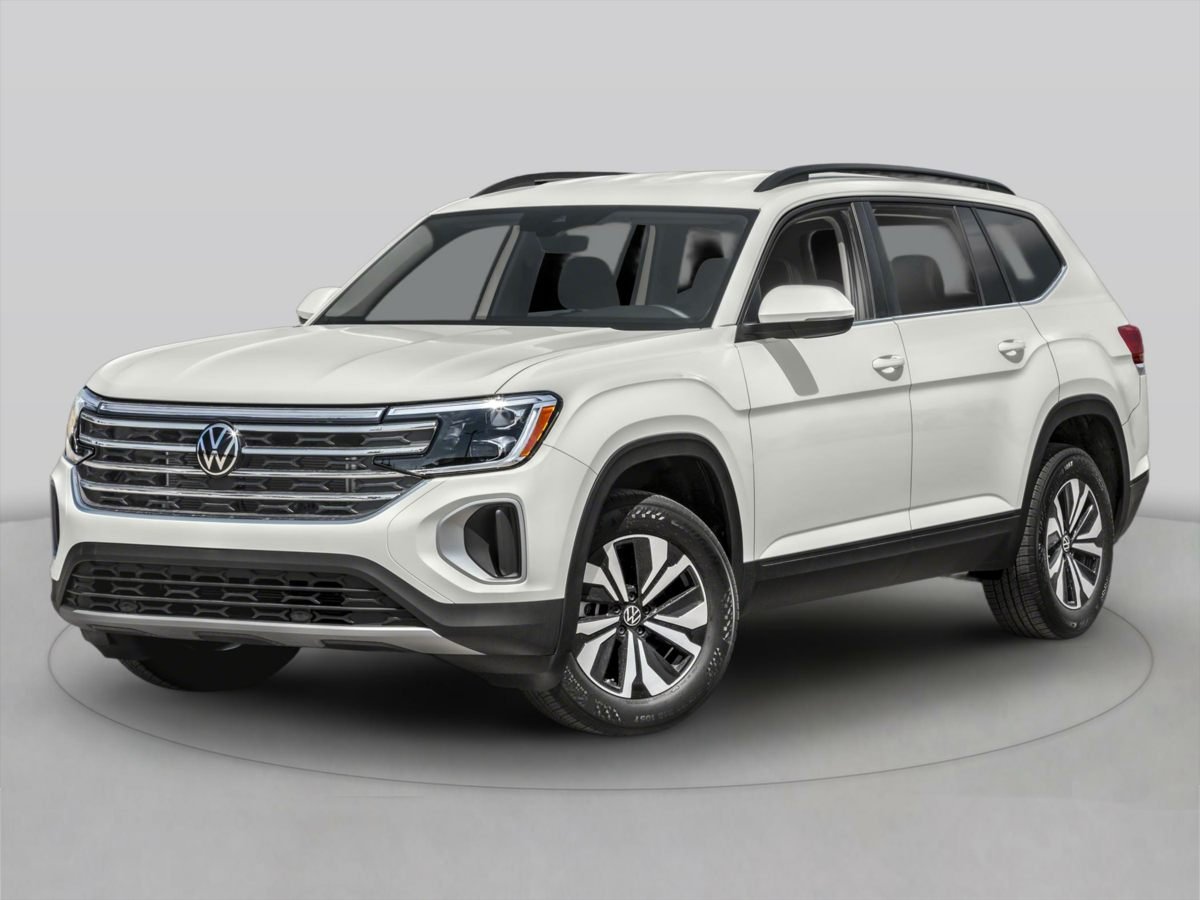
What Are the Key Benefits of Buying Certified Pre-Owned Volkswagen Cars?
A certified pre-owned Volkswagen delivers clear advantages: multi-point inspections, extra warranty coverage and greater confidence in the car’s condition. Studies show certified vehicles often hold higher resale value, which supports their long-term worth.
Beyond the core benefits, certified VWs typically receive a level of cosmetic and mechanical reconditioning that ordinary used cars do not. That reconditioning can include new filters, fluid changes, minor bodywork, and replacement of worn consumables. The result is a vehicle that feels closer to new in everyday use and needs fewer immediate repairs after purchase.
Certified programs often include complementary services—such as limited roadside assistance or special financing offers—that add practical value. Those extras can be especially valuable for buyers who want predictable ownership costs over the first months after purchase.
How Does Certification Enhance Volkswagen Pre-Owned Car Value?
Certification raises a pre-owned VW’s value by confirming it meets strict standards. The inspection reduces the chance of mechanical problems and boosts buyer confidence, which usually translates to stronger resale value and slower depreciation.
Certification adds documentation: detailed inspection reports, maintenance records, and a clear title history. This paperwork reduces uncertainty in resale and trade-in negotiations because future buyers and dealers can quickly verify the vehicle’s condition and service history.
Dealers and buyers also benefit from the predictable condition certification provides. For private sellers or smaller lots, a certified label can make a car stand out in competitive listings and speed up the sales cycle while often supporting a modest price premium.
What Warranty Options Are Available for Certified Pre-Owned VWs?
Certified pre-owned VWs often include extended powertrain warranties that can run six years or more from the original in-service date. Many programs let you transfer the warranty to a new owner, which helps resale value. That warranty backing is a major reason buyers choose certified models.
Warranty coverage varies by program but typically focuses on major mechanical systems: engine, transmission and related drivetrain components. Some certified vehicles also benefit from limited coverage for electrical and safety systems, and a few programs include roadside assistance for added peace of mind.
When comparing warranty options, ask whether routine maintenance is excluded, whether there is a deductible for repairs, and what documentation is required to make a claim. Understanding these details ahead of purchase helps avoid surprises and sets expectations for out-of-pocket expenses if something goes wrong.
Where to Find the Best Certified Pre-Owned Volkswagen Deals in Chicago?
Chicago offers several reputable dealerships with competitive certified VW pricing. When shopping, check dealer reputation, customer reviews and the financing options on offer.
Start by narrowing your search to dealers with dedicated certified inventory pages or visible certification badges. Use online filters to compare similar trims and model years, then request vehicle-specific inspection reports before visiting in person. Given Chicago’s size, checking inventory across neighboring suburbs can reveal better deals without requiring a large travel commitment.
Which Certified Volkswagen Dealers Near Me Offer Competitive Pricing?
Look for local dealers with large certified inventories and regular promotions. Read customer feedback on review sites and forums to spot good local options and find potential discounts to use in negotiations.
Competitive pricing often depends on inventory age and market demand for specific models. Dealers with deeper inventories may offer more leverage for buyers, while those with less stock might price more aggressively to move units. Always request a complete out-the-door price that lists taxes, fees, and any certification or prep charges to compare deals accurately.
How Does City Vehicle Wreckers of Chicago Compare to Other Local Sellers?
City Vehicle Wreckers of Chicago specialises in sourcing and selling used auto parts, including certified VW components. They focus on recent-model technology and offer transparent pricing and quality checks. Customer reviews often praise their service and product reliability, which helps them stand out in the Chicago market.
Unlike traditional franchised dealers whose primary business is selling complete cars, a specialist like City Vehicle Wreckers provides an important role in the parts supply chain. They help dealers, independent mechanics, and private owners find tested replacement parts that match factory specifications, which can reduce repair costs and turnaround time when a certified component is needed.
How Does the Certification and Inspection Process Work for Pre-Owned Volkswagen Vehicles?
The certification process for pre-owned VWs is thorough and designed to meet manufacturer standards. It confirms each vehicle is road-ready and gives buyers confidence in the car’s condition.
Certification is a multi-step process that combines inspection, repair, documentation and final quality checks. It typically begins with a detailed review of the vehicle’s history and moves on to hands-on testing and any necessary repairs to bring the car up to the program’s standards.
What Are the Certification Criteria for Volkswagen Cars?
Volkswagen’s certification uses a detailed checklist covering mechanical systems, interior and exterior condition, and overall performance. Certified cars typically must be under six years old and have fewer than 75,000 miles. Trained technicians perform inspections and document any repairs or maintenance.
Part of the certification involves confirming the title is clean and that the vehicle has passed emissions testing where required. Technicians will also verify that safety equipment—airbags, seat belts, and braking systems—meets functional standards. Any items outside acceptable limits are repaired or replaced with parts that meet program requirements before the vehicle receives certification.
How Is the 100-Point Inspection Conducted on Certified VW Cars?
The 100-point inspection examines key items like engine performance, brakes and electronics. Each car is tested to find issues that need fixing before certification. The process also flags common problems in older models, helping reduce buyer concerns and build trust in the program.
An inspection of this scope typically covers engine and transmission operation, cooling and heating systems, steering and suspension components, braking performance, tires and wheel condition, and exterior and interior wear. Inspectors also test lights, sensors, safety features, HVAC operation and the electrical systems that support infotainment and driver assistance features. After testing, technicians document required repairs, replace worn items, and verify the job with a follow-up check.
What Is the Role of Vehicle Recycling in Supplying Certified Volkswagen Parts?
Vehicle recycling helps keep certified VW parts available and affordable. Reusing parts from retired cars lets dealers offer cost-effective options without sacrificing safety or performance.
Recycling also helps supply parts that meet program standards when original factory components are no longer readily available or when a like-for-like replacement at lower cost is the best option. Recycled parts often go through specialized testing and refurbishment to meet quality expectations before they are approved for use in certified repairs.
How Are Used Volkswagen Parts Sourced and Recycled in Chicago?
In Chicago, used VW parts come from local recycling programs that dismantle and repurpose components from non-operational vehicles. These programmes cut waste and support sustainable practices. Recycled parts are tested and refurbished before resale to ensure quality for consumers and mechanics.
The sourcing process usually starts with intake of end-of-life vehicles, which are catalogued by model, year and component condition. Parts that pass visual and functional tests are cleaned, refurbished if necessary, and assigned warranty terms appropriate to their condition and application. Sellers maintain inventory records and can match parts to specific VINs or model variants to ensure fitment and compatibility.
What Environmental Benefits Result from VW Vehicle Recycling?
Recycling VW components reduces landfill waste and promotes material reuse, which lowers the environmental cost of vehicle production. Studies show recycling can cut energy use and greenhouse gas emissions. That focus on sustainability aligns with customer values and benefits the planet.
Beyond reducing landfill impact, recycling preserves raw materials and reduces the demand for new manufacturing. For buyers and mechanics, this means more affordable parts and a smaller environmental footprint for repairs and refurbishments. Dealers that participate in recycling programs can highlight this sustainability benefit when selling certified cars or parts.
How to Get Transparent Pricing and Request Quotes for Certified Pre-Owned Volkswagens?
Clear pricing for certified pre-owned VWs helps you make informed choices. Know the market factors that affect price and use that knowledge when you shop.
To get an accurate quote, request a full breakdown that includes the certified inspection fee, any reconditioning work, dealer documentation fees, applicable taxes, and any optional extras. Ask for the vehicle’s inspection report and any receipts for repairs completed as part of certification.
What Influences the Pricing of Certified Pre-Owned VW Cars?
Price depends on demand, vehicle age, mileage and condition. Knowing these factors helps you judge whether a price is fair. Seasonal offers and dealer financing can also change the final cost.
Other influences include trim level and optional equipment, local market trends, and how long the vehicle has been on the dealer’s lot. Certified cars that include transferable warranties or added services can command a premium, while vehicles that need ongoing reconditioning may be priced more competitively to reflect expected ownership costs.
How Can Chicago Mechanics and Car Owners Request Quotes Efficiently?
Use online platforms and marketplaces to quickly compare pricing, availability and dealer offers. Be specific about the vehicle you want and be ready to negotiate to speed up the quote process and secure better terms.
For mechanics sourcing parts or vehicles for repair, detailed requests that include VIN, part numbers, and any required condition grading reduce back-and-forth and shorten lead times. Ask suppliers about shipping, return policies, and warranties on recycled or refurbished components to ensure the cost estimate is complete.
What Do Chicago Customers Say About Buying Certified Pre-Owned Volkswagen Cars?
Customer feedback shapes how people view the certified pre-owned market. Reading testimonials gives useful insight into the service and quality you can expect when buying a certified VW.
Across reviews, buyers tend to highlight a few consistent themes: clarity in the vehicle’s history, peace of mind from inspection reports and a smoother buying process when dealers are transparent. Even when minor issues arise after purchase, a clear warranty and responsive dealer service are commonly cited as factors that restore buyer confidence.
What Are Common Testimonials and Case Studies from Local Buyers?
Local buyers often praise certified VWs for reliability and performance. They cite strong dealer service, knowledgeable staff and the reassurance of extended warranties. These stories stress the value of buying from a dealer that prioritises customer care.
Testimonial themes also include appreciation for thorough test drives, clear explanation of remaining warranty coverage, and prompt dealer support when follow-up service is needed. Buyers report that a transparent inspection report and a visible commitment to reconditioning are important when comparing multiple offers.
How Do Customer Reviews Reflect Part Quality and Service Trust?
Reviews often highlight improved vehicle performance and fewer post-purchase issues with certified cars. Positive feedback builds trust in certified programmes and encourages others to consider certified pre-owned Volkswagens.
When parts are required, customers typically value shops that can show part provenance and testing documentation. Confidence in part quality—whether new, OEM, or recycled—plays a strong role in overall satisfaction and in whether buyers recommend a dealer to friends or colleagues.
Frequently Asked Questions
What Should I Consider When Choosing a Certified Pre-Owned Volkswagen?
Check the car’s certification history and the depth of its inspections. Compare available warranty options and review dealer reputation and customer feedback. Match the vehicle’s size, fuel efficiency and features to your needs.
Also inspect the inspection report for recent repairs or items serviced during certification. Ask to see receipts for parts and labour, and confirm whether replacement parts were new, OEM, or refurbished. If you rely on a mechanic you trust, have them review the report before finalising the purchase.
Can I Negotiate the Price of Certified Pre-Owned Volkswagens?
Yes. Dealers often have room to negotiate, especially for inventory that’s been on the lot longer. Knowing market prices for the model you want gives you leverage. Pointing out financing or additional costs can also help secure better terms.
Negotiation tips: be prepared with comparable listings, ask for a breakdown of fees, and consider timing your purchase at month-end or during promotional periods. If the vehicle includes optional dealer add-ons, use them as negotiation points to lower the final out-the-door price.
Are Certified Pre-Owned Volkswagens More Reliable Than Regular Used Cars?
Generally, yes. Certified VWs go through thorough multi-point inspections and usually include warranties that cover key components. That reduces the risk of unexpected repairs and gives buyers added peace of mind.
Reliability also depends on prior maintenance and the owner history. A well-documented service record plus certification is the best combination. If a vehicle lacks comprehensive records but passes inspection and certification, ask for clarity on how technicians verified the car’s condition.
How Does Financing for Certified Pre-Owned VWs Work?
Financing for certified pre-owned VWs is similar to new or used car financing. Dealers work with banks to offer loans, leases or special finance deals. Have a down payment ready and know your credit score, as both affect rates and terms.
Before visiting dealers, get preapproved by your bank or credit union to establish clear borrowing limits. Compare dealer financing offers to your preapproval and look at total cost, not just monthly payments. Understand any conditions tied to special financing, such as required insurance limits or maximum loan length.
What Should I Know About the Timeline for Buying a Certified Pre-Owned VW?
Timelines vary. Researching options can take a few days to a week. Scheduling a test drive and arranging financing adds time. Finalising the sale and paperwork usually takes a few hours to a day, depending on the dealer.
If a vehicle requires final reconditioning after you reserve it, plan for additional time. Dealers should provide an estimated completion date and keep you updated on any delays. Allow time for an independent inspection if you choose one; this adds confidence though it may extend the timeline slightly.
How Can I Ensure I’m Getting a Good Deal on a Certified Pre-Owned Volkswagen?
Do market research and compare prices across dealerships. Check listings for fair value and watch for hidden fees. Use consumer reports and local reviews, then negotiate based on your findings to get a competitive price.
Also confirm what is included with certification—some dealers apply a certification fee that covers inspection and reconditioning, while others include certain services at no extra cost. Clarify all inclusions and exclusions in writing before completing the purchase.
What Are the Typical Maintenance Costs for Certified Pre-Owned VWs?
Maintenance costs vary by model and age, but warranties often cover many repairs early on, lowering your out-of-pocket spend. Routine items—oil changes, tyre rotations and brake work—still apply; budgeting $500 to $800 a year is common. Regular service at authorised centres helps preserve performance and resale value.
To manage maintenance costs, follow the manufacturer’s recommended service schedule and keep all service records. If you plan to keep the car long-term, consider a preventive maintenance plan to smooth out yearly expenses and protect resale value.
Our Local Showroom
IL 60641, USA